Heroin upon initial intake gives a feeling of euphoria or surge of pleasure. Leaving the individual wanting more. Within a few uses, an individual becomes an addict and cannot control their urges despite negative consequences. Addiction changes the brain structure and function; thus, individuals firmly believe that they cannot function without heroin. The best heroin addiction treatment offers a range of medications and therapies to help these individuals regain control over their lives.
Understanding the signs, symptoms and stages of heroin addiction is the initial step to recovery. Please continue reading to learn when one needs help and how a rehabilitation centre can facilitate a healthier, drug-free life.
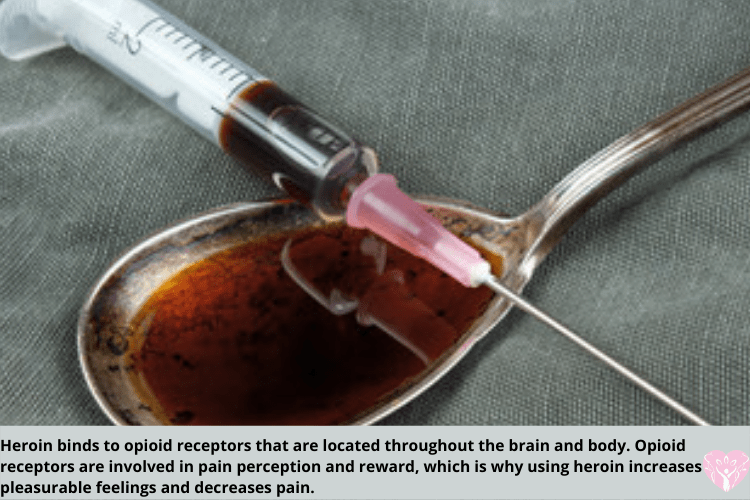
What are The Heroin Addiction Signs and Symptoms
Heroin addiction symptoms vary among individuals depending on their genetic makeup, frequency of drug abuse, and duration. Common heroin addiction signs include:
● Euphoria
● Anxiety, depression and mood swings
● Agitation
● Paranoia
● Weight loss
● Avoiding loved ones and lying about drug use.
● Hallucinations, disorientation or delusions
● Picking at skin
● Decreased personal hygiene
● Stocking up needles, syringes, glass tubes or burned spoons and stashing drugs in places such as cars, home, offices etc.
● Alternating between periods of hyperactivity and exhaustion.
If you observe such signs and symptoms in those around you, seek help from the best heroin addiction treatment centres.
What are Heroin Addiction Effects?
Heroin intake rapidly enters the brain, binding with the cells' receptors, involved in feelings of pleasure and pain, and controlling the breathing, sleeping, and heart rate of individuals.
Short-Term Effects
Individuals using heroin report a feeling of euphoria, i.e., a surge of pleasure. Some common effects include:
● Warm flushes
● Nausea
● Fuzzy brain functioning
● Dry mouth
● Heaviness in limbs
● Itching
● Oscillating between consciousness and semi-consciousness.
Long-Term Effects
Prolonged use of heroin results in:
● Collapsing veins due to injections
● Infection in valves and lining of the heart.
● Stomach cramps and constipation
● Lung complications
● Sexual dysfunction
● Insomnia
● Damages tissue inside the nose for individuals snorting.
● Abscesses
● Liver and kidney disorder
● Personality disorder and mental disorders such as depression.
● Irregular menstrual cycle in women.
Heroin consists of starch, powdered milk, or starch that clogs blood vessels resulting in liver, lungs, kidney or brain, causing permanent damage. Also, recklessly sharing drug injections increases the risk of HIV, hepatitis. Researches suggest that prolonged heroin use also reduces the brain's white matter, which directly controls the decision-making, behaviours, and response to distress.
What is Heroin Withdrawal Symptoms?
Somebody dependent on heroin experiences severe withdrawal symptoms by abruptly stopping the intake. These can start as soon as a few hours after the last heroin intake. These commonly include:
● Severe muscle and bone pain
● Vomiting and diarrhea
● Uncontrollable leg movement
● Restlessness and agitation
● Sleep problems
● Cold flashes and goosebumps
● Intense cravings and urges to consume heroin.
It is highly recommended for those dependent on heroin to seek the guidance of a de-addiction treatment centre for heroin withdrawal and detox. These symptoms can worsen over time and cannot be managed alone.
How is Heroin Addiction Treated?
Best Substance Use Disorder Treatment for heroin includes medicines and behavioural therapy. It best matches the needs of the individuals and the treatment approach for effectively helping them stop heroin use.
The medications such as Iofexidine are FDA approved; it is a non-opioid medicine developed to reduce opioid withdrawal symptoms. Buprenorphine and methadone help individuals stop heroin usage by binding to the same receptors as heroin, reducing cravings and withdrawal symptoms. Naltrexone is another medicine that prevents the drug effects by blocking the opioid receptors. A study by the national institute on drug abuse suggests that a combination of buprenorphine/naloxone and extended naltrexone are equally effective. Since detoxification is a prerequisite for naloxone, it cannot initially be included in the treatment. Once the detoxification is complete, both the medications are found to work with similar efficiency.
Therapies are an essential component of the best heroin addiction treatment at any health and wellness centre in India. These therapies commonly include cognitive-behaviour therapy and contingency management. Cognitive behaviour therapy helps shift the individual's drug-use behaviour and expectations; it also teaches one how to manage their triggers. Contingency management motivates one to stay drug-free by providing motivational incentives. When clubbed with medications, these therapies offer remarkable results to those seeking treatment.
Source URL - https://www.simranshri.com/blog/what-is-the-best-heroin-addiction-treatment
Comments
Post a Comment